01 / Clearview note
Follow the trail before cleaning it
When ants appear along a counter or floor, the first impulse is often to wipe them away. Before doing that, observe the route for a moment. Note where the trail begins, where it ends, whether it follows a wall or cabinet edge, and whether the movement changes near a sink, appliance, pet bowl, or door. A trail can reveal the connection between a food or moisture source and a small access point. You do not need to keep ants in place for long; a quick observation can make the next service conversation much more specific.
02 / Clearview note
Look around kitchens and baths
Kitchens and bathrooms provide many of the conditions ants use: water, warmth, food residue, drains, cabinet seams, appliance edges, and pipe openings. Check under sinks for moisture, around dishwasher connections, beside refrigerators, near trash containers, and at the edge of backsplashes. In bathrooms, look around tubs, toilets, vanities, windows, and baseboards. Clean residue and correct leaks when you can, then note whether activity returns to the same route. Repeated trails may point to an access pattern that needs more than surface cleaning.
03 / Clearview note
Connect indoor and outdoor clues
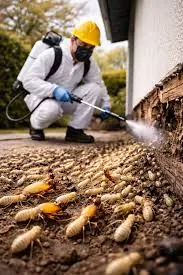
Ants often travel between indoor and outdoor conditions through windows, doors, foundation lines, utility openings, and cracks around trim. Outside, look at mulch, leaf litter, pavers, planters, wood contact, and damp areas near hose connections or downspouts. A trail that disappears at a foundation edge may be connected to an outdoor nesting or shelter area. The goal is not to disturb every location but to understand how the property connects. Clear notes help distinguish an isolated indoor attractant from a broader movement pattern.
04 / Clearview note
Think about treatment placement
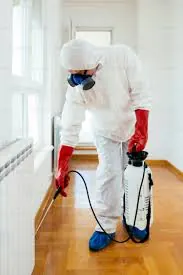
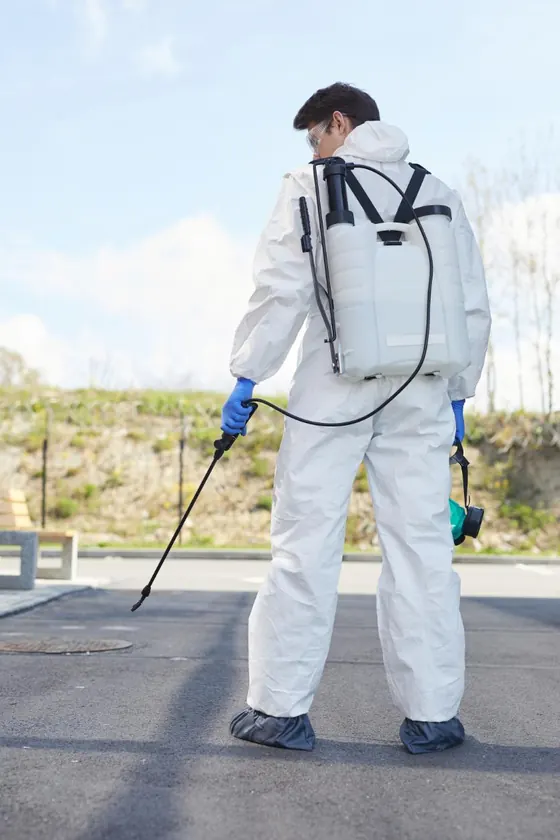
Ant control works best when treatment placement follows the activity pattern. Spraying the most visible ants may change the trail without addressing the conditions that support it. A service plan can consider the route, likely nesting conditions, entry points, food sources, moisture, and the structure’s layout. Installation may involve targeted placement in appropriate zones, while repair attention focuses on gaps around windows, doors, pipes, and foundation transitions. The correct approach depends on the ant activity and the property, not just the room where ants were first noticed.
05 / Clearview note
Make maintenance easy
Small habits support ant maintenance. Wipe food residue, keep pantry items sealed, manage pet-feeding areas, correct moisture, and remove crumbs from appliance edges. Outside, manage leaf buildup, trim vegetation away from doors, and watch for water near foundation lines. These steps are most useful when they are repeatable. A complicated routine is easy to abandon, while a short kitchen and perimeter check can become part of normal home care. Share what you have tried so service planning can account for the property’s current condition.
06 / Clearview note
Watch weather and timing
Ant activity can shift after rain, during heat, or when outdoor food sources change. Some trails appear in the morning, while others become more noticeable after a room warms up or a sink is used. Note the time and conditions when activity is strongest. Seasonal patterns can help explain why the same window, cabinet, or foundation edge becomes active at certain points in the year. Those details can guide a more focused treatment and maintenance conversation.
07 / Clearview note
When to discuss the pattern
Repeated trails, activity in several rooms, winged ants, moisture-related activity, or ants returning after surface cleaning deserve a closer look. Clearview Pest Control Services can help connect the trail with treatment placement, access-point repair, and maintenance. Explore Ant Control for a focused service path, General Pest Control for broader household needs, or Termite Control when the concern involves wood conditions or structural access. After the visit, keep an eye on the same route and note whether food, moisture, rain, or a repair changes the pattern.